


Barbara Roufs was a well-known American trophy girl and model who became a familiar face in drag racing during the 1970s. Her long hair, bright smile, and bold fashion made her stand out at racing events. She became closely linked with the exciting car culture of Southern California.
Although Barbara Roufs was not a professional race driver, she earned recognition through her work at major racing events. Her story includes her early life, modeling career, family, and lasting place in motorsport history. Decades after her death, vintage photographs brought her name back into public view.
Quick Bio: Barbara Roufs
| Detail | Information |
|---|---|
| Full Name | Barbara Roufs |
| Known As | Barbara Roufs, racing trophy girl |
| Birth Year | Reported as 1943 or 1944 |
| Birthplace | California, United States (reported) |
| Nationality | American |
| Profession | Trophy girl, promotional model |
| Famous For | Drag racing events during the 1970s |
| Major Recognition | 1973 PDA Queen |
| Racing Association | Professional Dragster Association (PDA) |
| Notable Racing Venue | Orange County International Raceway |
| Marital Status | Reportedly married; spouse not confirmed |
| Children | Daughter, Jet Dougherty |
| Year of Death | 1991 |
| Age at Death | Reportedly 47 years |
| Net Worth | Not publicly verified |
Early Life and Family Background
Barbara Roufs was reportedly born in California during the 1940s. Some accounts give 1943 as her birth year, while others list 1944. She grew up during a period when American car culture was becoming increasingly popular. California was an important center for hot rods, custom cars, and drag racing.
Information about Barbara’s childhood remains limited. Some online biographies identify her parents as Wayne Eldon Riley and Thelma Ruby Riley. However, these family details are not supported by widely available original records. Her exact childhood address, family activities, and early interests have not been firmly established.
Her education is also not well documented. There are no reliable public details about which schools she attended or whether she completed college. What is clear from later photographs and racing accounts is that she became involved in Southern California’s motorsport scene as an adult.
The Drag Racing World of the 1970s
Drag racing enjoyed major growth in the United States during the late 1960s and early 1970s. Fans gathered at tracks to watch powerful cars compete over short distances. California became especially important because of its racing venues, experienced drivers, and strong community of car enthusiasts.
The sport featured different kinds of racing vehicles, including Top Fuel dragsters, Funny Cars, and modified production cars. Each class attracted dedicated fans. Events also included displays, award ceremonies, sponsor promotions, and photographs, making race days more than just competitions between drivers.
This lively setting helped create opportunities for promotional models. Trophy girls became a recognizable part of race events, presenting awards and appearing in publicity photographs. Barbara Roufs entered this world when motorsport fashion, advertising, and entertainment were becoming closely connected.
How Barbara Roufs Started Her Racing Career
Barbara Roufs became known through her appearances at drag racing events in the late 1960s and early 1970s. Her work centered on award presentations and promotional activities. Although her exact first appearance is not clearly recorded, her name later became linked with important Southern California racing events.
Unlike professional drivers, Barbara did not compete behind the wheel. She worked as a trophy girl, a role that involved representing events and taking part in ceremonies. Models often appeared beside race cars, winners, and racing officials for photographs used in magazines and promotional materials.
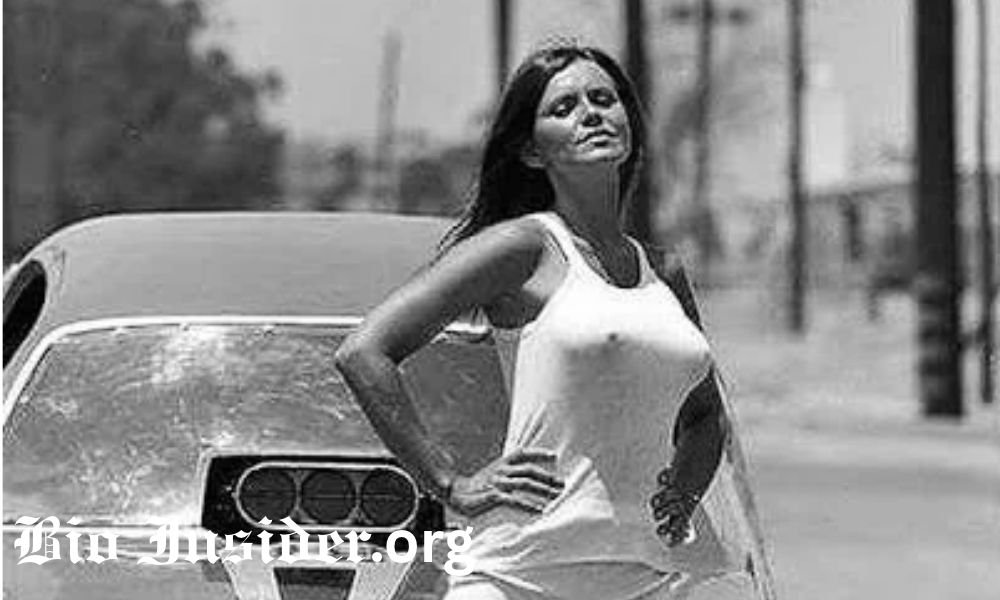
Barbara’s appearance matched the changing style of the period. Her long hair, fashionable clothes, and confident poses made her easy to recognize in vintage photographs. These images helped preserve her connection with racing culture long after her active career had ended.
Barbara Roufs as a Drag Racing Trophy Girl
During the 1970s, trophy girls performed a visible role at major racing events. They helped present trophies to winning drivers and took part in photographs after races. Their appearances were part of the celebration that followed each competition and often appeared in motorsport magazines.
Barbara Roufs became associated with this tradition. Photographs show her wearing period fashion and posing at racing venues. Her presence reflected the way event organizers combined competition with entertainment. Drivers remained the central figures, while promotional models helped shape the public image of racing.
The role also offered exposure to people interested in modeling and event promotions. However, specific records of Barbara’s contracts, employers, and earnings have not been made public. Her best-documented professional identity remains her connection with trophy presentations and promotional photography at drag racing events.
Her Recognition as the 1973 PDA Queen
One of the most important years in Barbara Roufs’ public career was 1973. Biographical accounts identify her as the Professional Dragster Association Queen, commonly called the PDA Queen. This recognition connected her name with an important part of Southern California’s competitive drag racing community.
Barbara is also reported to have appeared as queen of the sixth annual U.S. Professional Dragster Championship at Orange County International Raceway. The venue was a major location for drag racing and attracted skilled drivers, racing teams, and large crowds throughout its operating years.
These appearances gave Barbara a recognizable place in motorsport history. Her association with the PDA and racing ceremonies remains central to her biography. Although complete event records are difficult to find, her 1973 recognition is one of the most frequently reported details about her career.
Barbara Roufs’ Appearance and 1970s Fashion
Barbara Roufs is often remembered for her distinctive 1970s appearance. Vintage photographs show her with long hair, bold outfits, and knee-high boots. Her style reflected fashion trends that were popular during the decade, especially among young adults interested in music, cars, and entertainment.
Racing fashion changed considerably between the 1950s and 1970s. Earlier trophy presentations often featured formal dresses and traditional styling. By the early 1970s, casual clothing, shorter outfits, and brighter designs had become common at promotional events, reflecting wider changes in American fashion.
Barbara’s photographs provide a clear look at these trends. While some websites publish exact claims about her height, weight, and body measurements, reliable records supporting those figures are not available. Her documented photographs offer a more trustworthy picture of her appearance than unverified measurements.
Modeling Work and Public Recognition
Alongside her trophy girl appearances, Barbara Roufs was associated with promotional modeling. Motorsport photographers captured images of her at racing events, creating photographs that later became popular among classic car enthusiasts. These images form much of the surviving material connected with her professional career.
Some accounts suggest that her photographs appeared in racing advertisements and other promotional materials. Such work was common within the motorsport industry, where companies used recognizable faces to promote products and events. However, the names of Barbara’s commercial clients have not been reliably documented.
Her public recognition was closely linked to racing rather than mainstream entertainment. There is no established record of a major film or television career. Instead, her image became part of the visual history of drag racing, preserving an important example of 1970s promotional culture.
Barbara Roufs’ Husband, Daughter, and Family Life
Barbara Roufs was a mother, and her daughter is widely identified as Jet Dougherty. Jet later became connected with renewed interest in her mother’s story when old racing photographs appeared online. Her comments helped bring a family perspective to images that had circulated among motorsport fans.
Several biographies describe Barbara as married, but the identity of her husband has not been reliably established. There are also conflicting details about the dates of her marriage and when her daughter was born. Without dependable original records, those parts of her personal history remain uncertain.
Barbara’s family connection became especially meaningful years after her death. Reports describe Jet recognizing her mother in photographs shared online. Her response helped identify the woman in the pictures and showed that the racing images also held personal value for Barbara’s surviving family.
Life Beyond the Racing Events
Most surviving information about Barbara Roufs comes from her appearances at drag racing venues. Far less is known about her daily life away from racing. Her other jobs, hobbies, and long-term plans have not been documented in enough detail to present a complete personal history.
Barbara was active during a time when promotional models usually received less media attention than professional drivers. Racing magazines mainly covered race results, vehicles, technical changes, and leading competitors. As a result, the lives of women working at events were often recorded through photographs rather than detailed interviews.
There is no reliable public timeline showing when Barbara stopped attending racing events. Her later professional activities are also unclear. This gap makes it difficult to trace her life from the height of her racing appearances in the early 1970s to the years before her death.
Barbara Roufs’ Death in 1991
Barbara Roufs died in January 1991, according to widely repeated biographical accounts. She was reportedly 47 years old. Some records give January 25 as her date of death, although not every published account provides the same level of supporting evidence for her birth and death dates.
Several later publications describe her death as suicide. However, detailed original records confirming the circumstances are not widely accessible. No dependable public account explains what led to her death, so claims about her personal struggles or possible reasons should not be presented as established facts.
Her death came many years before online photo archives made her widely recognizable to new audiences. Although her racing appearances belonged to an earlier period, the photographs that survived continued to preserve her image. They later played an important role in renewing interest in her story.
Rediscovery Through Vintage Racing Photographs
Interest in Barbara Roufs grew again when vintage drag racing photographs began circulating online. Around 2016, images associated with motorsport photographer Tom West attracted attention. These pictures introduced Barbara’s appearance and racing background to people who had not known about her during the 1970s.
Reports describe her daughter, Jet Dougherty, responding after recognizing her mother in the photographs. This connection helped give the images a personal history. Instead of remaining unidentified pictures from old racing events, they became part of a wider discussion about Barbara’s life and career.
The renewed interest also reflected growing enthusiasm for classic motorsport photography. Collectors and racing fans often search for photographs of old tracks, vehicles, drivers, and promotional figures. Barbara’s images remain part of that interest because they capture a distinct period in American drag racing.
Barbara Roufs’ Net Worth and Career Earnings
Barbara Roufs’ net worth has not been established through reliable financial records. Some online biographies publish estimates, including figures around $1.5 million. However, these numbers lack clear supporting evidence and should not be treated as confirmed information about her wealth.
Her work as a trophy girl and promotional model may have provided income through appearances and advertising. Still, no verified salary records, business documents, or financial statements are publicly available. It is therefore impossible to calculate her total career earnings with reasonable accuracy.
Vintage photographs of Barbara may have value among collectors today, but their resale prices do not establish what she earned during her lifetime. Her historical importance is better understood through her racing appearances and the photographs that survived than through unsupported claims about personal wealth.
Barbara Roufs’ Lasting Legacy in Drag Racing
Barbara Roufs remains closely connected with the visual history of American drag racing. Her photographs show an era when racing events combined powerful cars, colorful fashion, and public celebrations. They also preserve the contribution of promotional workers who appeared alongside winning drivers.
Her story highlights how motorsport history includes more than race results and championship titles. Photographers, event organizers, models, and fans all helped shape the atmosphere around competitions. Barbara’s surviving images offer a look at this broader culture during the early 1970s.
More than five decades after her best-known racing appearances, people continue to search for information about Barbara Roufs. Her recognition today comes largely from vintage photography and later online discussions. Although parts of her biography remain uncertain, her connection with 1970s racing is well established.
Final Thoughts
Barbara Roufs became a recognizable figure in Southern California drag racing during the 1970s. Her work as a trophy girl and promotional model placed her alongside drivers and racing teams at major events. Her association with the 1973 PDA Queen title remains an important part of her story.
Her life also shows the limits of historical records. While photographs document her appearance and racing connections, many details about her education, family background, career earnings, and later years remain uncertain. A responsible biography must separate documented events from information that has simply been repeated online.
Today, Barbara Roufs is remembered through vintage racing photographs and the history they preserve. Her story offers a glimpse into a colorful period of American motorsport. It also shows how photographs can bring attention back to people whose contributions might otherwise be overlooked.
Frequently Asked Questions (FAQs)
1. Who was Barbara Roufs?
Barbara Roufs was an American trophy girl and promotional model associated with Southern California drag racing during the early 1970s. She is especially remembered for her reported recognition as the 1973 PDA Queen.
2. How old was Barbara Roufs when she died?
Barbara Roufs was reportedly 47 years old when she died in January 1991. Published accounts differ on whether she was born in 1943 or 1944.
3. Did Barbara Roufs have a husband and children?
Barbara Roufs had a daughter named Jet Dougherty, who later helped identify her mother in vintage photographs. She was reportedly married, but her husband’s identity has not been reliably confirmed.
4. What was the cause of Barbara Roufs’ death?
Several later biographies report that Barbara Roufs died by suicide in January 1991. However, detailed original records about the circumstances are not widely available, and no verified explanation has been established.
5. Why is Barbara Roufs still famous today?
Barbara Roufs remains known for her appearances at drag racing events and her association with 1970s motorsport fashion. Renewed interest in vintage photographs around 2016 helped introduce her story to a new generation.





One Comment